Introduction
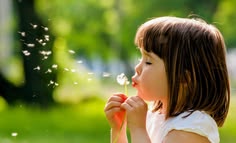
A child's lungs are not just smaller versions of adult lungs. They keep growing and developing until the late teenage years. What your child breathes today shapes how strong their lungs will be for the rest of their life.
As a lung specialist and as someone who cares deeply about our community's children, here is my practical guide for parents.
Why Children's Lungs Need Extra Protection
- • They breathe faster. Children take more breaths per minute than adults, so they inhale more pollution for their body size.
- • They are closer to the ground, where vehicle exhaust and dust are heaviest.
- • They play outdoors more and breathe through their mouths when active.
- • Their immune system is still learning, so infections can become serious quickly.
The WHO notes that babies and children are at higher risk of developing TB disease if infected1, which is just one example of how vulnerable young lungs are.
1Start Before Birth
Lung health begins in the womb.
- Mothers should avoid smoking and second-hand smoke during pregnancy.
- Regular antenatal check-ups and good nutrition help the baby's lungs develop well.
- Breastfeeding in the first 6 months helps build immunity. A Pune study found that not exclusively breastfeeding for 6 months was linked to a higher risk of childhood asthma2.
2Keep a Smoke-Free Home
The same Pune study found parental smoking, biomass cooking fuel and dampness at home were all linked to childhood asthma2.
- No smoking inside the house or car, ever.
- Use mosquito nets instead of coils in children's rooms.
- Keep children away from the kitchen during frying or wood-fire cooking.
- Avoid sambrani smoke near newborns.
3Protect Them from Outdoor Pollution
- Check the AQI before outdoor play. On high-pollution days, choose indoor games.
- Walk on roads with less traffic when going to school if possible.
- On Bhogi and Deepavali, keep young children indoors when smoke is heavy, and keep them far away from firecrackers.
- For older children in heavy traffic, a well-fitting child-size N95 mask helps.
4Vaccinate on Time
Vaccines are one of the strongest shields for growing lungs. Follow your paediatrician's schedule, which usually includes protection against:
- • Tuberculosis (BCG)
- • Whooping cough (pertussis)
- • Pneumococcal disease, a major cause of pneumonia. The CDC recommends pneumococcal vaccination for all children younger than 5 years3.
- • Hib (Haemophilus influenzae type b)
- • Measles, which can cause severe pneumonia
- • Influenza, yearly, as advised by your doctor. The Indian Academy of Pediatrics notes that Tamil Nadu's rainy season runs from October to December4, which affects the best time to vaccinate.
5Teach Healthy Habits
- • Handwashing with soap before meals and after school
- • Cough etiquette: cough into the elbow, not the hands
- Do not share water bottles during cold and flu season
- Stay home from school when unwell with fever, so it does not spread
6Encourage Active Play
Running, swimming, cycling and outdoor games strengthen the lungs and the heart. Aim for at least one hour of active play every day. Limit screen time.
7Feed Them Well
A balanced diet with fruits, vegetables, pulses, eggs or other protein, and enough water supports healthy immunity. Avoid excess junk food, as childhood obesity also affects breathing and sleep.
8Watch for Snoring
Loud snoring, pauses in breathing at night, mouth breathing and daytime sleepiness can be signs of enlarged tonsils or adenoids, or sleep apnoea. It can affect growth and school performance, so please get it checked.
Warning Signs of Pneumonia in Children
Seek medical help quickly if your child has:
- • Fast breathing (count breaths for one full minute while the child is calm)
- • Chest indrawing, where the lower chest pulls in while breathing in
- High fever with cough
- Refusing feeds or drinks
- Unusual drowsiness
- Bluish lips
Frequently Asked Questions
Q1.Should my child wear a mask in Chennai every day?
Not usually. Masks are useful during very high pollution, in heavy traffic, or during flu outbreaks. Very young children (under 2) should not wear masks.
Q2.My child gets a cold every month. Is that normal?
Young children can get 6–8 colds a year, especially when they start school. But if colds always go to the chest, or a cough lasts more than 2–3 weeks, it is worth checking for asthma or allergies.
Q3.Is swimming good for children with weak lungs?
Yes, swimming is excellent for lung strength. Children with asthma can swim once their asthma is well controlled.
KEY TAKEAWAY
The Bottom Line
Strong lungs in childhood mean healthier breathing for life. A smoke-free home, timely vaccines, active play and quick attention to warning signs are the four pillars I recommend to every parent.
Sources & references
- WHO notes that babies and children are at higher risk of developing TB disease if infected who.int/news-room/fact-sheets/detail/tuberculosis
- Not exclusively breastfeeding for 6 months was linked to a higher risk of childhood asthma onlinelibrary.wiley.com/doi/10.5402/2012/361456
- CDC recommends pneumococcal vaccination for all children younger than 5 years cdc.gov/pneumococcal/hcp/vaccine-recommendations/index.html
- Indian Academy of Pediatrics notes that Tamil Nadu's rainy season runs from October to December acvip.org/professional/columns/influenza-vaccine
ABOUT THE AUTHOR
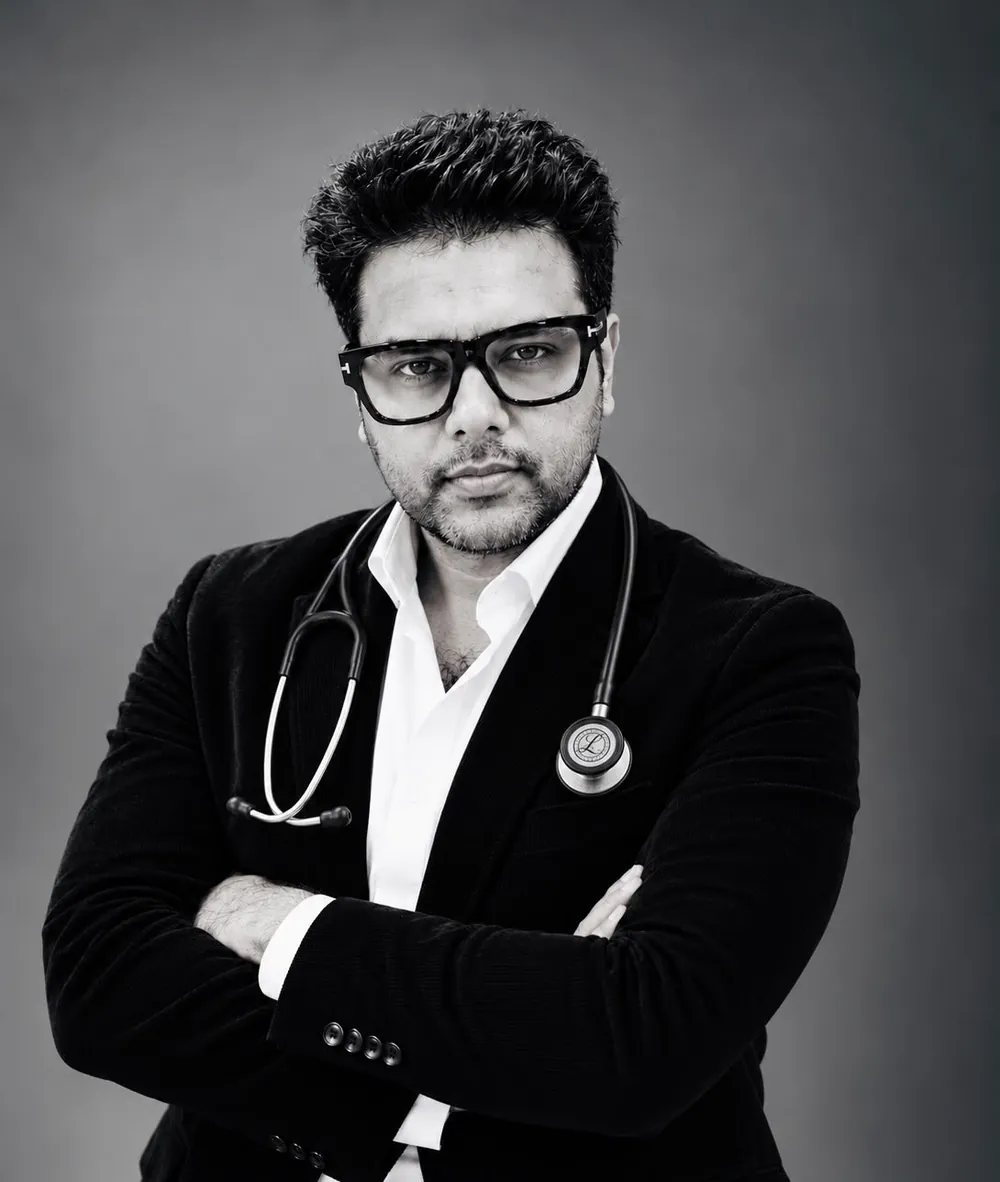
Dr. Koushik Muthu Raja Mathivanan, M.D.
Dr. Koushik Muthu Raja Mathivanan is a Consultant Pulmonologist in Chennai.
This article is for general awareness and does not replace a consultation with your doctor or paediatrician.
Have a concern about your breathing?
Online articles can support awareness, but they cannot replace an individual medical assessment.