Introduction
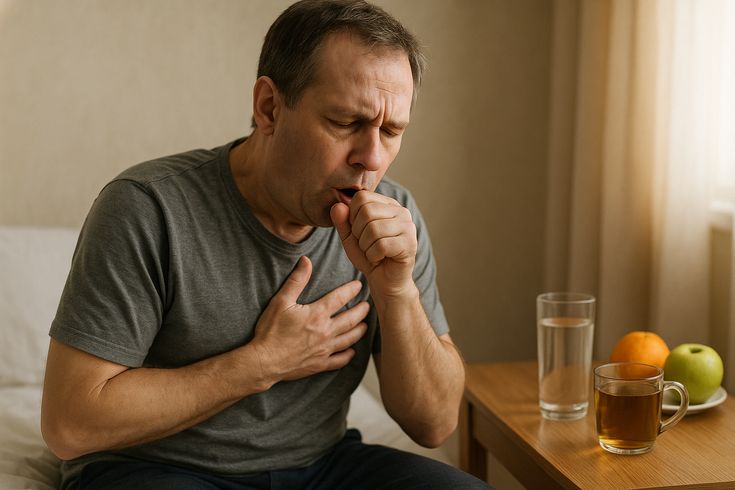
TB is one of the oldest diseases known to humans, and it is still very much present in India. But here is the most important message of this blog: TB is fully curable. The biggest danger today is not the germ itself, but delay, fear and stigma.
Where Does India Stand Today?
India has made real progress. According to the WHO Global TB Report 2025, India's TB incidence fell by 21%, from 237 per lakh population in 2015 to 187 per lakh in 20241, almost double the global rate of decline. Over 26 lakh TB patients were diagnosed in India in 2024, and the treatment success rate reached 90%1.
But India still carries a very large share of the world's TB, and experts note that the country is not yet on track to meet its elimination milestones2. Every person who gets tested early helps.
What Is TB?
TB is an infection caused by a germ called Mycobacterium tuberculosis. It spreads through the air when a person with active lung TB coughs, sneezes or talks.
There are two stages:
- • TB infection (latent TB): The germ is in the body but sleeping. The person feels well and cannot spread it.
- • TB disease (active TB): The germ multiplies and causes illness. Lung TB at this stage can spread to others.
TB usually affects the lungs, but it can also affect the lymph nodes, spine, brain, kidneys and other organs.
Symptoms of Lung TB
According to the World Health Organization3, common symptoms include:
- • Cough lasting more than 2 weeks, sometimes with blood
- Fever, especially in the evenings
- Night sweats
- Weight loss and loss of appetite
- Chest pain
- Weakness and tiredness
The WHO also notes that TB symptoms may be mild for many months3, so people often spread it without knowing.
Who Is at Higher Risk?
- People living with someone who has TB
- People with diabetes (very common in Tamil Nadu)
- People with HIV or on medicines that lower immunity
- Smokers and people who drink heavily
- People who are malnourished
- Children and the elderly
How Is TB Diagnosed?
- • Sputum test, including rapid molecular tests (like NAAT / CBNAAT / TrueNat) which can detect TB and drug resistance quickly. The WHO recommends rapid molecular tests as the first test4 for people with symptoms.
- • Chest X-ray
- Other tests depending on which organ is affected
In India, TB testing is available free at government health centres.
How Is TB Treated?
- Standard TB is treated with a combination of tablets, usually for 6 months.
- Drug-resistant TB needs longer or different treatment, but newer regimens have made it much more manageable.
- Most patients stop being infectious within 2–3 weeks of starting proper treatment5.
- • Treatment is free under the National TB Elimination Programme, and patients receive nutritional support. Under the Ni-kshay Poshan Yojana, over ₹4,406 crore has been paid to more than 1.37 crore beneficiaries since 20181.
The golden rule: complete the full course, even if you feel better after a few weeks. Stopping early is the main reason TB comes back and becomes drug-resistant.
7 Common TB Myths, Busted
Myth 1: TB is a disease of the poor. Fact: TB can affect anyone who breathes. I treat IT professionals, doctors, students and businesspeople.
Myth 2: TB is hereditary. Fact: TB is an infection, not a genetic disease. Family members get it because they share the same air.
Myth 3: TB cannot be cured. Fact: TB is curable with proper, complete treatment.
Myth 4: You can get TB by sharing plates, clothes or shaking hands. Fact: TB spreads through the air, not through touch, utensils or clothing.
Myth 5: A TB patient must be isolated forever. Fact: After a few weeks of proper treatment, most patients are no longer infectious and can go back to normal life.
Myth 6: If I feel better, I can stop the tablets. Fact: Stopping early can make TB come back stronger and resistant to medicines.
Myth 7: TB patients cannot marry or have children. Fact: After treatment, people with TB can live completely normal lives, including marriage and parenthood.
How to Prevent TB Spread at Home
- Cover your mouth when coughing; wear a mask in the early weeks of treatment.
- Keep windows open and let sunlight in.
- Get family members, especially children, checked. Preventive treatment may be offered.
- Control diabetes well.
- Do not smoke.
Frequently Asked Questions
Q1.Can TB come back after treatment?
It can, but the risk is low when the full course is completed. See your doctor if symptoms return.
Q2.Does the BCG vaccine protect adults?
BCG mainly protects young children from severe forms of TB. It does not fully protect adults.
Q3.Is it safe to continue working during TB treatment?
After the first few weeks of treatment, and once your doctor confirms, most people can return to work.
KEY TAKEAWAY
The Bottom Line
A cough that lasts more than 2 weeks deserves a test, not just another cough syrup. TB is common, curable and nothing to be ashamed of. Speak up, get tested, and complete treatment. Together, we can make India TB-free.
Sources & references
- India's TB incidence fell by 21%, from 237 per lakh population in 2015 to 187 per lakh in 2024 pib.gov.in/PressReleasePage.aspx?PRID=2189415®=19&lang=4
- The country is not yet on track to meet its elimination milestones indianexpress.com/article/opinion/columns/indias-tb-who-global-tubercu…
- World Health Organization who.int/news-room/fact-sheets/detail/tuberculosis
- WHO recommends rapid molecular tests as the first test who.int/health-topics/tuberculosis
- Stop being infectious within 2–3 weeks of starting proper treatment mayoclinic.org/diseases-conditions/tuberculosis/symptoms-causes/syc-20…
ABOUT THE AUTHOR
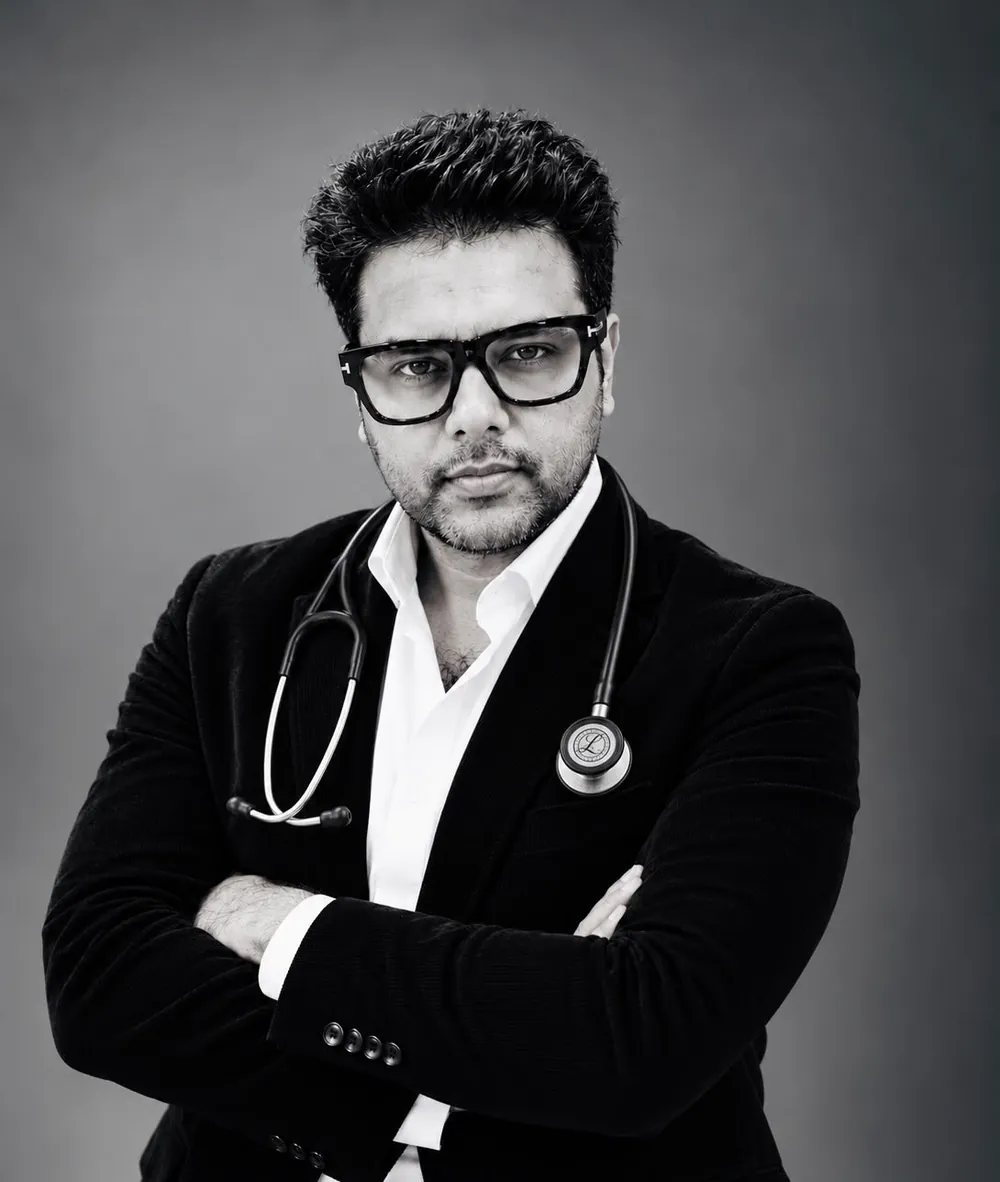
Dr. Koushik Muthu Raja Mathivanan, M.D.
Dr. Koushik Muthu Raja Mathivanan is a Consultant Pulmonologist in Chennai.
This article is for general awareness and does not replace a consultation with your doctor.
Have a concern about your breathing?
Online articles can support awareness, but they cannot replace an individual medical assessment.